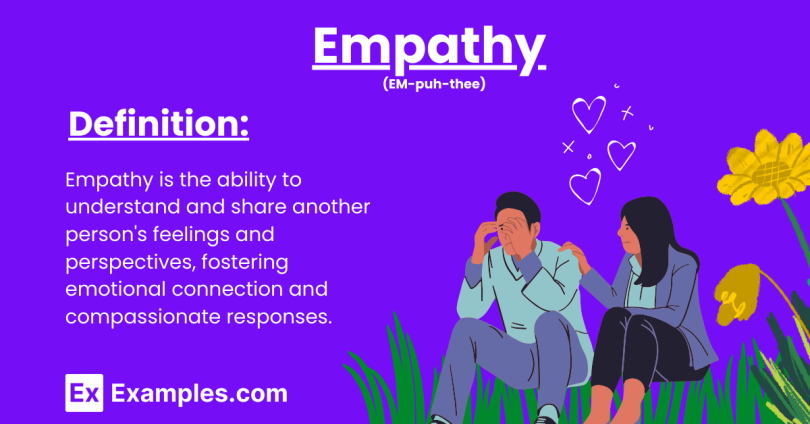

Have you ever noticed that a friend is feeling sad and tried to understand what they are going through? Perhaps you have listened to a family member talk about a difficult experience or comforted someone who needed support. These everyday situations are examples of empathy. Empathy helps us understand other people’s feelings and build stronger, healthier relationships.
The empathy meaning with examples is easy to understand when we think about how we respond to other people’s emotions. Empathy is the ability to understand another person’s feelings, recognize their perspective, and try to see a situation from their point of view. It encourages us to listen carefully, show kindness, and respond thoughtfully instead of judging others too quickly.
For example, imagine that your friend has failed an important exam. Instead of laughing at them or telling them to stop worrying, you listen to their concerns and acknowledge their disappointment. You may offer encouragement or help them prepare for the next exam. This response shows empathy because you are making an effort to understand their feelings.
Empathy is useful in many areas of life, including friendships, family relationships, education, and the workplace. It helps people communicate more effectively, resolve misunderstandings, and make others feel heard and respected. Although empathy comes naturally to some people, it is also a skill that anyone can practice and develop.
In this article, we will explain empathy meaning with examples in simple English. You will learn about its definition, different types, real-life examples, importance, and practical ways to become more empathetic in everyday situations.
What Is the Meaning of Empathy?
Empathy is the ability to understand another person’s feelings, emotions, and experiences by trying to see things from their point of view. It means making an effort to understand what someone might be going through rather than judging their situation based only on your own experiences.
In simple terms, empathy means putting yourself in someone else’s shoes. When you show empathy, you pay attention to how another person feels and respond with understanding, patience, and kindness. You do not have to experience the same situation to recognize that someone else may be struggling.
For example, imagine that your coworker seems quiet and upset after receiving difficult news. Instead of ignoring them or making assumptions, you ask if they are okay and give them an opportunity to talk. You listen carefully and try to understand their feelings without forcing them to explain more than they want to share. This is an example of empathy.
Empathy Meaning in Simple English
In simple English, empathy means understanding how another person feels and trying to see a situation from their perspective. It involves recognizing emotions such as sadness, happiness, fear, disappointment, or excitement and responding in a thoughtful way.
For example, if your friend is nervous about starting a new job, you may remember how challenging new experiences can be. You listen to their worries and encourage them instead of telling them that they should not feel nervous. By acknowledging their emotions, you show empathy.
Empathy does not mean that you must always agree with another person. You can understand why someone feels a certain way while still having a different opinion. The important thing is to respect their feelings and make a genuine effort to understand their experience.
Empathy Definition
Empathy can be defined as the ability to understand and, to some extent, share another person’s emotional experience or perspective. It helps people recognize feelings that may be different from their own and respond with greater understanding.
For instance, a teacher who notices that a student is struggling with a lesson may try to understand the student’s confusion. Rather than criticizing the student, the teacher explains the topic differently and offers additional guidance. This response demonstrates empathy because the teacher considers the student’s experience and needs.
Why Is Empathy Important?
Empathy is important because it helps people build trust, communicate openly, and maintain healthy relationships. When people feel understood, they may find it easier to share their concerns and discuss difficult situations.
Empathy can also reduce misunderstandings. Instead of immediately reacting with anger or making assumptions, an empathetic person tries to understand why someone may have acted or responded in a particular way.
In everyday life, empathy can help you become a better friend, family member, student, colleague, or leader. It encourages you to listen carefully, respect differences, and offer support when someone needs it.
Ultimately, empathy reminds us that everyone has their own experiences, challenges, and emotions. By taking time to understand others, we can create more respectful and supportive connections with the people around us. empathy meaning with examples
you may also like it;
Descriptive Words for Creative Writing With Examples
English Synonyms and Antonyms List for Students
Advanced Vocabulary Words for Students With Examples
Common English Verbs With Examples for Beginners
Empathy Meaning in Simple English
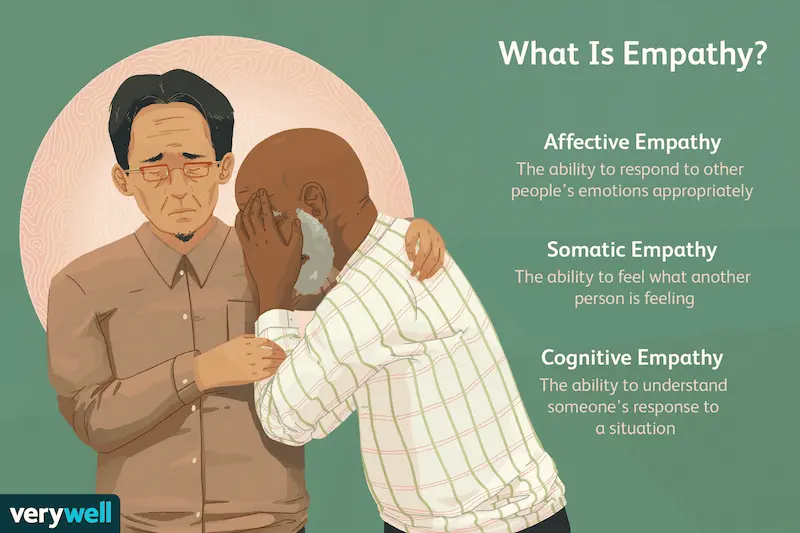
Empathy means understanding another person’s feelings and trying to see a situation from their point of view. It helps you recognize what someone might be experiencing and respond with kindness, patience, and respect. In simple words, empathy is about trying to understand how another person feels instead of focusing only on your own thoughts and emotions. empathy meaning with examples
For example, imagine that your friend is having a difficult day because they had an argument with someone they care about. Instead of telling them to forget about it, you listen to their concerns and try to understand why they feel hurt. You may not have experienced the same situation, but you can still recognize their sadness and offer support. empathy meaning with examples
Empathy is not just about feeling sorry for someone. It involves making an effort to understand their experience. Sometimes, a person does not need advice or a solution. They may simply want someone to listen without judging them. empathy meaning with examples
Simple Examples to Understand Empathy
Here are some everyday examples that explain empathy in simple English:
- With a friend: Your friend feels disappointed after failing an exam, so you listen to their concerns and encourage them to try again.
- With family: Your brother feels stressed about his responsibilities, so you offer to help instead of criticizing him.
- At school: A student struggles to understand a lesson, so you explain it patiently rather than making fun of them.
- At work: A coworker is worried about an important task, so you listen to their concerns and offer reasonable support.
- With a stranger: You notice someone having difficulty carrying heavy bags, so you politely ask if they need assistance.
These examples show that empathy can appear through small actions. You do not need to make a grand gesture to help someone feel understood. empathy meaning with examples
How Is Empathy Different From Being Nice?
Being nice often means treating others politely and kindly. Empathy goes a step further by trying to understand their feelings and perspective. empathy meaning with examples
For example, telling a friend, “I hope you feel better,” is a kind response. Listening to why they are upset, acknowledging their disappointment, and asking what kind of support they need can demonstrate empathy more directly. empathy meaning with examples
Both kindness and empathy are valuable. When you combine them, you can respond to people in ways that are not only polite but also sensitive to their actual needs.
Can You Show Empathy Without Agreeing With Someone?
Yes, you can understand another person’s feelings without agreeing with their opinions or decisions. Empathy is about recognizing their perspective, not automatically accepting everything they say or do.
For instance, two friends may disagree about an important decision. One friend can listen to the other’s concerns and understand why they feel strongly, even while maintaining a different opinion. empathy meaning with examples
This approach helps people communicate respectfully and reduces the chance of unnecessary arguments. It also reminds us that understanding someone does not mean abandoning our own values or personal boundaries. empathy meaning with examples
Why Does Empathy Matter in Daily Life?
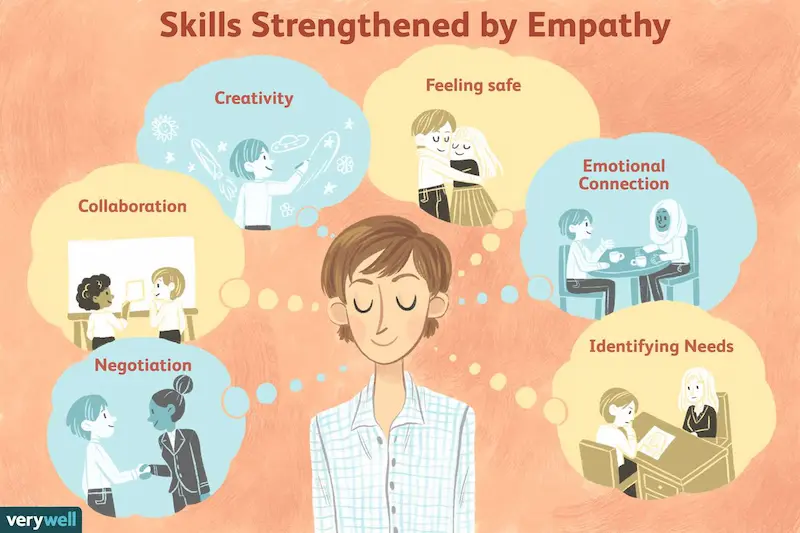
Empathy helps people feel heard, valued, and respected. It can strengthen friendships, improve family communication, support teamwork, and make difficult conversations easier to manage. empathy meaning with examples
Practicing empathy can begin with a simple habit: pause before responding and ask yourself what the other person might be feeling. Then listen carefully, avoid quick judgments, and respond in a thoughtful way. empathy meaning with examples
The more you practice understanding other people’s experiences, the easier it can become to build meaningful relationships and communicate with greater care. empathy meaning with examples
Empathy Meaning With Examples
Understanding empathy becomes easier when you look at real-life situations. Empathy means recognizing another person’s feelings, trying to understand their perspective, and responding in a thoughtful way. It helps us connect with others, especially when they are experiencing difficult emotions or facing challenging circumstances. empathy meaning with examples
You can show empathy through your words, actions, facial expressions, and willingness to listen. Here are some practical examples of empathy in everyday life. empathy meaning with examples
Example of Empathy in Everyday Life
Imagine you are standing in a queue at a store, and the person in front of you seems frustrated because their payment is not working. Instead of becoming impatient or making rude comments, you recognize that they may be having a stressful moment.
You give them time to resolve the issue and avoid making the situation more uncomfortable. This response shows empathy because you consider how the other person might feel rather than focusing only on your own inconvenience. empathy meaning with examples
Example of Empathy Between Friends
Suppose your best friend has been preparing for an important exam but receives a disappointing result. They feel sad because they worked hard and expected a better outcome.empathy meaning with examples
Instead of saying, “It is not a big deal,” you listen to their feelings and acknowledge their disappointment. You might say, “I know how much effort you put into this exam. It must be frustrating to receive a result you did not expect.”
This response demonstrates empathy because you recognize your friend’s emotions without dismissing them. You can then ask whether they want advice, encouragement, or simply someone to listen. empathy meaning with examples
Example of Empathy in Family Relationships
Family members sometimes experience stress because of work, studies, household responsibilities, or personal problems. Empathy helps family members understand one another instead of making quick judgments. empathy meaning with examples
For example, your mother may seem tired and less talkative than usual after a busy day. Rather than assuming she is angry with you, you consider that she might need rest or support. You ask how she is feeling and offer to help with a task.
This small act of understanding can make family relationships more supportive and respectful. empathy meaning with examples
Example of Empathy at School
Imagine that a new student joins your class and finds it difficult to make friends. They sit alone during breaks and rarely participate in group activities.
An empathetic student considers how uncomfortable it might feel to enter an unfamiliar environment. They invite the new student to join a conversation, help them understand classroom routines, and introduce them to other classmates. empathy meaning with examples
This example shows how empathy can help create a welcoming environment where people feel included and accepted.
Example of Empathy in the Workplace
Suppose a coworker is struggling to complete a task because they have received several responsibilities at the same time. They appear worried and have difficulty concentrating.
Instead of criticizing them immediately, you listen to their concerns and try to understand the situation. If possible, you help clarify priorities or suggest discussing the workload with a manager. empathy meaning with examples
Showing empathy at work does not mean ignoring responsibilities. It means treating people with respect while looking for practical ways to address problems.
Example of Empathy in Difficult Situations
Sometimes, people experience grief, financial difficulties, illness, or other serious challenges. In these situations, they may not know what to say or what kind of help they need. empathy meaning with examples
For example, if someone you know has lost a loved one, you may recognize that they are experiencing deep sadness. Rather than telling them to move on or trying to explain why everything happens, you offer sincere condolences and give them space to express their feelings.
You might say, “I’m sorry you’re going through this. I’m here if you want to talk. empathy meaning with examples “
This response shows empathy because it acknowledges the person’s pain without judging their emotions or expecting them to feel better immediately.
Example of Empathy When Someone Disagrees With You
Empathy is also useful when you have a different opinion from another person. Instead of immediately arguing, you listen to their reasoning and try to understand why they see the issue differently. empathy meaning with examples
For example, you and a friend may disagree about a career decision. You can explain your own perspective while recognizing that your friend may have different priorities, concerns, or experiences.
You do not have to change your opinion to show empathy. You simply need to make an honest effort to understand the other person’s point of view.
What Do These Examples Teach Us About Empathy?
These examples show that empathy is a practical skill that can be used in almost every area of life. It can mean listening patiently, offering help, respecting different opinions, or acknowledging someone’s difficult emotions.
The most important lesson is that empathy begins with a willingness to understand. You cannot always solve another person’s problems, but you can listen, avoid unnecessary judgment, and respond with kindness. empathy meaning with examples
By practicing empathy in small everyday situations, you can develop stronger relationships and help create a more understanding and supportive environment for others. empathy meaning with examples
What is the meaning of empathy in simple English?
Empathy means understanding another person’s feelings and trying to see a situation from their point of view. It helps you recognize what someone may be experiencing and respond with kindness, patience, and understanding.
What is an example of empathy?
An example of empathy is listening to a friend who feels disappointed after failing an exam. Instead of judging them, you acknowledge their feelings, offer encouragement, and try to understand their experience.
What are the three main types of empathy?
The three commonly discussed types of empathy are cognitive empathy, emotional empathy, and compassionate empathy. Cognitive empathy involves understanding another person’s perspective, emotional empathy involves sharing or responding emotionally to their feelings, and compassionate empathy combines understanding with a desire to help.
conclusion
Understanding empathy meaning with examples helps us see how important it is to recognize other people’s feelings and perspectives. Empathy allows us to listen carefully, respond with kindness, and understand experiences that may be different from our own.
Whether you are talking to a friend, supporting a family member, helping a classmate, or working with colleagues, empathy can make your interactions more respectful and meaningful. It does not mean agreeing with everyone or solving every problem. Sometimes, simply listening without judgment can make a significant difference.
The good news is that empathy is a skill you can develop through everyday practice. Try to understand how others feel, respect their experiences, and offer support when appropriate. Small acts of understanding can help build stronger relationships and create a more caring environment for everyone.